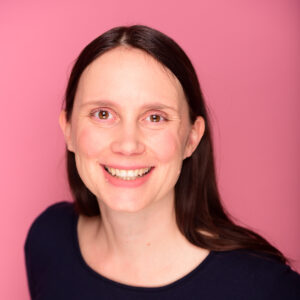
Stress and MS are connected in ways that are complex, highly individual and still not fully understood. Research suggests that severe stressful life events, trauma and ongoing psychological strain can influence both the risk of developing multiple sclerosis and disease activity. At the same time, the scientific evidence is far from simple: stress is difficult to measure, individual responses vary enormously, and it is often challenging to distinguish cause from effect.
For people living with MS, however, the question is not purely academic. Understanding personal stressors, strengthening resilience and finding ways to regain a sense of control can make an important difference to quality of life.
In this interview, Prof. Sigrid Arnade and Prof. Christoph Heesen discuss the scientific evidence on stress and multiple sclerosis, the importance of a biopsychosocial approach to MS care, the gaps that remain in research and the practical strategies that may help people living with MS.
This English article is based on my original German interview, Stress und MS. Faktoren, Herausforderungen und Perspektiven which was published in April 2025.
You are currently viewing a placeholder content from Default. To access the actual content, click the button below. Please note that doing so will share data with third-party providers.
More InformationTable of Contents
Introduction
Could you briefly introduce yourselves?
Prof. Sigrid Arnade: I originally trained as a veterinarian. After spending five years working with cattle and pigs in rural practice, I developed MS and changed careers.
I first worked for the German Multiple Sclerosis Society, the DMSG, where I was editor-in-chief of its magazine for three years. After that, I spent around 20 years working as a freelance journalist. During the final ten years of my professional career, I was managing director of Interessenvertretung Selbstbestimmt Leben in Deutschland, a human rights-based, cross-disability self-advocacy organisation run by disabled people.
I have now been retired for several years, but I am still an honorary professor at Alice Salomon University of Applied Sciences in Berlin. I teach social work students, often on human rights, and try to encourage a little fighting spirit in them.

Prof. Christoph Heesen: I am Christoph Heesen, a neurologist and head of the multiple sclerosis day clinic and outpatient centre in Hamburg. I have been developing the centre for more than 30 years.
Alongside the clinical work, one of my major research interests has developed very closely around what we are already discussing here: patient empowerment. It is about strengthening people through information and enabling them to find their own way of dealing with MS.
A key element is patient information, and particularly evidence-based information. That means communicating scientific findings critically rather than simply repeating beliefs or what pharmaceutical companies write in their promotional materials.
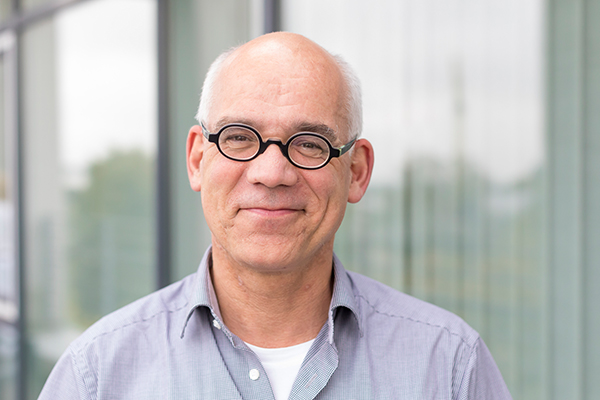
Lebensnerv – Foundation for the promotion of psychosomatic MS research
Prof. Arnade, what led you to start the Lebensnerv Foundation, and how have you tried to promote psychosomatic research in MS?
Prof. Sigrid Arnade: During my time at the DMSG, it was important to me to promote a more holistic view of MS and to include psychosomatic aspects. I did not succeed in doing that there to the extent I had hoped.
Afterwards, together with a friend who also had MS, I founded the Lebensnerv Foundation for the promotion of psychosomatic MS research. We established it in 1991. At the time, each of us contributed 50,000 Deutsche Mark. That was a lot of money for us personally, although 100,000 Deutsche Mark was obviously not enough to finance major research projects.
So instead, we focused on awarding research prizes every two years and publishing a journal twice a year. It was initially called Rundbrief and later became Forum Psychosomatik.
Over time, interest rates fell dramatically, which unfortunately meant that we could no longer finance the research prizes. We therefore concentrated on continuing the journal.
Which questions are you particularly interested in through the foundation and its journal?
Prof. Sigrid Arnade: The main question is very simple: how can people with MS feel and live better?
Of course, the physical side of MS has to be taken seriously, examined and treated. Conventional medicine has many initiatives and activities in this area. But we believe that the other side – the psychological side – is still neglected. Perhaps not as much as when we founded the foundation, but it is still not receiving the attention it deserves.
Initially, we were especially interested in researching the connections between psychological factors and MS. Today, I am not sure whether those relationships can ever be measured as precisely as physical processes, because psychological factors are simply harder to quantify.
Our focus has therefore shifted more towards asking what actually helps people with MS to live better.
For example, we once trained people with MS to become peer counsellors in a project funded by a health insurance provider, and we also organised empowerment training programmes. We found that when people have a greater sense of control over their own lives and experience greater self-efficacy, they often feel better regardless of their physical symptoms.
Results of the scientific meta-analysis on stress and MS
Christoph, how did the idea for this analysis arise, and can you briefly summarise what you investigated?
Prof. Christoph Heesen: The subject of stress and multiple sclerosis has interested me for a very long time. My postdoctoral research qualification was already related to this topic, although at that time I was more focused on trying to analyse possible molecular mechanisms.
There had already been a systematic review of the literature on stress and MS in 2004. In principle, you have to distinguish between three different questions: whether stress plays a role in triggering the initial development of the disease, whether stress contributes to relapses, and whether stress influences progression.
Our aim was to critically examine all the available scientific literature and ask how reliable the findings actually were.
How did you evaluate the studies, and what difficulties did you encounter?
Prof. Christoph Heesen: One of the biggest problems in this entire field is the classic chicken-and-egg question.
MS itself may make someone more vulnerable to stress. A person may experience more stress because the disease is already affecting them. Afterwards, it is very easy to conclude: “I had so much stress, and that is why I developed MS.”
But it may be the other way around. Perhaps disease activity was already developing and, as a consequence, the person had less resilience and less resistance to stress and therefore experienced situations as more stressful.
That is a major methodological problem.
We nevertheless tried to approach the evidence as critically as possible. There are many studies you can initially identify, but in the end only a little more than 30 were strong enough to be useful for our analysis.
Combining those studies in a meta-analysis is even more difficult. A meta-analysis means pooling data from several studies and trying to derive an overall result. For some questions, such as the manifestation of MS or relapse activity, you may ultimately only have two or three studies that are sufficiently comparable.
When it comes to progression, the studies are so different that a meaningful meta-analysis is not really possible.
What did your analysis show, and which questions remain unanswered?
Prof. Christoph Heesen: We now have evidence that severe stressful life experiences may be associated with a higher risk of MS.
That includes traumatic experiences such as living through war, serving as a soldier in a war zone, losing parents at a young age, or experiencing emotional, physical or sexual abuse during childhood.
We see associations not only with MS but also with other diseases, including other autoimmune diseases. These experiences appear to affect our stress-regulation systems.
That may help people understand aspects of their personal history. But when it comes to disease management, this knowledge is naturally limited because these are events that have already happened.
We also know from studies that external stressors, such as living in a war zone, can increase the risk of MS relapses.
However, the relationship is not straightforward. There have even been observations following extreme disasters such as tsunamis suggesting that the risk may decrease under exceptionally severe, life-threatening stress. One possible explanation is that completely different biological mechanisms become activated when survival itself is threatened, potentially suppressing inflammatory processes.
That fits quite well with experimental research showing that stress is extremely difficult to measure and interpret.
Another key question is how objective stress actually is. Perhaps what matters most is how a situation is perceived by the individual.
There are certainly events where we do not need to debate whether they are major stressors – the death of a parent, for example, or a traumatic experience in war. But even in those situations, people process events very differently.
This makes scientific research particularly difficult.
Overall, we can see effects. But the effects are not so dramatic that you could say someone who experienced a terrible event during childhood will necessarily require a wheelchair ten years earlier because of their MS.
Stress appears to be a modifying factor.
That has sometimes been difficult for physicians with a purely biomedical perspective to accept. On the other hand, people with a very strong psychosomatic orientation may also be disappointed when we remain methodologically cautious and say: yes, there is some evidence, but it is a long way from saying that all you need is the right stress-management programme and you will have your MS under control.
Research has nevertheless moved forward considerably compared with 20 years ago. At that time, the discussion focused mainly on relapses. Today, there is evidence that stress may be involved in the development of MS and probably also modulates disease progression.
Not dramatically, but there appears to be an influence.
The significance of stress from a patient perspective
Prof. Arnade, what role do you think stress plays in the development and activity of MS?
Prof. Sigrid Arnade: In our view, stress plays a role, or at least it can play a role.
But how important psychological, social and physical factors are for an individual person remains an open question.
A few decades ago, psychological influences on MS were practically denied altogether. That always seemed strange to me. With something as ordinary as a cold, people readily accepted the idea that your physical and emotional state might influence how susceptible you were. But when it came to MS, psychological influences were often dismissed completely.
At one point, people were even warned against psychotherapy. Fortunately, that attitude has changed.
I think psychological and social factors need to be considered when treating every individual with MS.
The World Health Organization’s ICF – the International Classification of Functioning, Disability and Health – reflects a biopsychosocial model of health. Yet in MS, we still tend to focus overwhelmingly on the biological dimension. That biological side is examined and treated in enormous detail, while psychological and social factors are, in my view, still seriously neglected.
I think it is excellent that Christoph Heesen and his colleagues carried out this review, and I recognise the methodological problems: the difficulty of comparing studies and the subjective components involved.
Where I was more critical was the cautious wording of the final summary.
When people read phrases such as “small to moderate influence”, I do not think that necessarily reflects some of the stronger findings adequately. For certain situations – missile attacks and war experiences, post-traumatic stress disorder or childhood abuse, for example – there were relatively clear associations.
I would therefore have preferred the summary to say something like: there are clear associations in some areas, although they have to be interpreted with caution because the evidence is heterogeneous and difficult to compare.
Many people only read the abstract of a scientific paper, so the wording there matters.
I sometimes wonder whether the caution also reflects the hierarchy that still exists within medicine. We talk about a biopsychosocial model, but biological and natural-science explanations are often treated as more important than psychological ones.
You can see something similar when people have symptoms for which no physical cause is found. They may undergo endless MRI scans and other examinations before someone eventually suggests seeing a psychologist.
I would like the different dimensions to be treated as genuinely equal.
Can you give examples of specific stressful situations that you believe affected your MS symptoms?
Prof. Sigrid Arnade: I think the experience is extremely individual, and that is important.
There are also different kinds of stress. Some stress can even be good for you.
I have always worked a great deal. During my professional career, I often worked 50 or 60 hours a week. Even now that I am retired, I am still active, although not to the same extent. For me, that work was something positive. I think I would have missed it if I had not had it.
The type of stress that has always been most difficult for me has been stress within personal relationships – whether involving family, friends or a partner.
For another person, the situation may be completely different.
Which type of stress – for example professional, emotional or social stress – do you personally find most burdensome?
Prof. Sigrid Arnade: For me, it has mainly been stress in personal relationships.
But I do not think we can create a general ranking and say one category of stress is always worse than another.
What matters is what is important to the individual person. Someone who places enormous importance on their profession may experience professional conflict as particularly stressful. For somebody else, relationships may be much more significant.
You have to look at what actually burdens that individual person. I do not think it can be standardised.
Research and current evidence
Christoph, according to your analysis, what is the significance of specific stressors such as traumatic events compared with chronic everyday stress in MS?
Prof. Christoph Heesen: There is already an enormous methodological difference between the two.
Everyday stress is much more difficult to analyse. This is where the chicken-and-egg problem becomes particularly relevant, and in many cases we cannot completely resolve it.
What we do see is that the number of stress factors may matter. When several stressors occur together, their overall significance seems to increase.
We have also seen this in data from the German National Cohort. That research was not part of the meta-analysis, but when we looked specifically at participants with MS, we again saw indications that the accumulation of several stress factors may be relevant.
Scientifically, the most robust evidence still concerns very severe stressors such as war and trauma.
The impact of everyday stress on MS is more difficult to prove. Nevertheless, there are indications that it matters.
There is also an important intervention study by David Mohr, who was working in San Francisco at the time and is now in Chicago. Unfortunately, this work has not been followed up sufficiently.
The study showed that when people with MS participated in regular stress-management training, there was less activity on MRI and fewer new lesions.
One slightly frustrating part of the result was that the effect appeared to depend on continuing the programme. Participants underwent weekly stress-management training for a year, and it worked during that period. But within several weeks after stopping the intervention, the effect disappeared.
That does not mean the intervention was not worthwhile. It means we should investigate this area much more thoroughly.
The real question for people with MS is often not whether stress exists, but how they can regulate it and buffer its effects. Why can one person cope better than another? Does that difference ultimately translate into different levels of inflammation or disease activity?
Very little research addresses those questions.
Everyone talks about a holistic understanding of disease. But in reality, medicine in 2025 was still extremely molecular and biological. Integrating these much more complex factors remains difficult.
How do you assess the current state of research into stress and MS?
Prof. Christoph Heesen: Some things are happening, but on a relatively small scale.
Even within RIMS, the European network for rehabilitation in MS, I would say that stress itself is not a major focus. Rehabilitation naturally includes social dimensions and social support, but some of the most active groups are concerned with physical impairment and exercise strategies.
There is also a psychology and neuropsychology group, but much of its work focuses on issues such as cognitive impairment.
There are nevertheless promising developments.
For example, a resilience programme originally developed by Kenneth Pakenham in Australia is now being adapted into a digital format, and we will probably investigate it in a study.
The difficulty is that studies like this often measure outcomes through questionnaires. Ideally, when we investigate psychological interventions, we should also examine what is happening within biological systems.
But that immediately changes the scale of the project.
Instead of needing €50,000, you may suddenly need €500,000. Finding someone willing to finance that becomes much more difficult.
Which aspects of the relationship between stress and MS should be investigated more intensively?
Prof. Christoph Heesen: I think we need far more intervention studies.
Epidemiological findings are convincing in certain respects, but the effects we measure are not as large as some established biological risk factors for developing MS.
What I would like to see is more research into interventions such as resilience training and psychotherapy. We need intelligent studies that examine whether psychologically based interventions can influence not only wellbeing but also the course of the disease itself.
We recently tried something similar with the Power@MS project funded through the Innovation Fund. We used a lifestyle app to investigate whether we could influence inflammatory disease activity. The programme included exercise and nutrition, but also a substantial focus on dealing with psychological strain and improving sleep.
Unfortunately, the participants were already very fit and their MS was managed extremely well. That made it difficult to demonstrate an additional benefit.
But that does not prove the intervention was irrelevant.
It simply means that we need the next study, perhaps involving people who are not already doing exceptionally well.
The design of the control group is also important. If participants in the control group suddenly receive more contact with doctors and more MRI scans than they would normally have, even that can influence outcomes.
We need studies examining well-standardised interventions that can still be individualised enough to meet the needs of real people.
And the goal should not only be to improve a questionnaire score. We should also investigate markers of actual MS disease activity.
I believe we already have enough evidence to consider it plausible that these interventions can influence disease activity. They simply have not been studied enough.
Coping with stress
Prof. Arnade, which strategies do you use yourself or recommend to others for coping with or reducing stress?
Prof. Sigrid Arnade: There is a saying associated with Carl Simonton, who worked mainly in the field of cancer, which in essence says that in order to become healthier, you should not focus only on fighting the disease. You should do more of what brings you joy.
That is very much how I try to live.
I try to organise my life around the things I enjoy. I work as much as feels good to me, and now that I am retired, I travel as much as I can. I try to strengthen myself through meaningful encounters and surround myself with people I enjoy being with.
And I try to avoid negative stress where possible.
Of course, you cannot avoid stress entirely. When something stressful happens, I try not to suppress it. I try to deal with it and resolve the situation.
More generally, I think everyone needs to ask themselves: what is good for me, and what is not good for me? How can I strengthen the factors that help me? And where can I find support for the things that are difficult?
Ultimately, especially for people who already have an MS diagnosis, I think the most important question is not necessarily determining exactly what percentage of the disease was caused by psychological factors and what percentage by physical ones.
The more important question is: how can we help people with MS live a good life with the condition?
That is why the stress-management intervention study we have discussed is so important to me. Regular psychological support appeared to produce effects that were certainly worth taking seriously.
This is also why I believe people with MS should be supported holistically: physically, psychologically and socially.
What kind of support or resources would you like to see available to strengthen resilience?
Prof. Sigrid Arnade: One relatively straightforward possibility would be empowerment training for people with MS and, in fact, for people with other chronic diseases as well.
We ran MS empowerment training programmes ourselves in two rounds.
At the time, we had a secretary who was not disabled, and she always said: “I need an empowerment training programme too!”
I think she had a point. These approaches can probably help many people, whether or not they have a chronic disease.
Empowerment training would be a comparatively accessible intervention and could be offered at manageable cost.
We also tried to have our programme recognised by health insurance companies as a preventive intervention, but unfortunately we were not successful.
Perspectives and recommendations
Prof. Arnade, what would you recommend to other people with MS who are struggling with stress-related challenges?
Prof. Sigrid Arnade: Doing something different can definitely help.
That might mean relaxation training or meditation. If it is possible for you, physical activity can also be useful: cycling, swimming, running or simply going outside.
The important thing is to get some distance and clear your head.
But again, this is very individual.
Different things help different people. You can try several options and discover what works for you personally.
How could we develop a better scientific and societal understanding of the role of stress in MS, and what forms of support should result from that?
Prof. Christoph Heesen: As I said earlier, we need more studies, and particularly more intervention studies.
We should investigate many different approaches, from face-to-face support to digital interventions.
That could include video-based therapy or intelligent, adaptive digital programmes. Perhaps we will eventually have chatbots that provide some form of stress counselling. That may sound slightly unsettling, but perhaps it will work.
First, however, we need better data.
That evidence could then provide the foundation for healthcare models in which stress management and psychological support become a routine part of MS care.
Ultimately, I would like this to become part of the certification criteria for MS centres.
A centre should not only be assessed by how many patients it enters into a registry. We should also ask whether it provides appropriate support for stress management, whether the necessary expertise reaches patients and whether there is quality management for these services.
People with MS should have access to psychological support from professionals who understand MS.
That should also extend to rehabilitation clinics.
Some MS rehabilitation clinics already have very good specialist expertise, but there are still very few that work within a genuinely psychosomatic and holistic framework.
I would like to see more combined neurological and psychosomatic centres that can work intensively on the psychological side of living with MS.
You could argue that, given the current pressures on the German healthcare system, further expanding rehabilitation in this way is unrealistic. But in terms of what patients actually need, I think that is the direction we should be moving in.
We need more research, and the relevance of these topics should ultimately be reflected in certification criteria and clinical guidelines.
There has already been progress. Lifestyle management now receives substantially more attention in MS treatment recommendations than it did in the past.
But there remains a risk that these issues come a distant second behind the management of the many available immune therapies.
They should not be something you talk about only if five minutes happen to be left at the end of the appointment. That imbalance needs to change.
Prof. Sigrid Arnade: I completely agree that there is still a major imbalance.
Psychological aspects, including stress and MS, receive very little space compared with the overall volume of medical guidance.
And psychotherapy is still often recommended primarily when a psychiatric diagnosis already exists – for example when someone has depression.
What has not really become established is the idea that psychological support could simply be a normal part of MS care, just as physiotherapy can be.
That is where change is needed.
Medicine needs to genuinely fulfil its commitment to a biopsychosocial approach – not only in theory, but in the way people with MS are actually treated and supported.
Farewell
Is there anything else you would like listeners to take away from our conversation?
Prof. Christoph Heesen: I would emphasise that there is still a great deal to learn. Stress is relevant, but the relationship between stress and MS is complex. What we need is better research and, at the same time, better support that helps people manage the psychological, social and physical dimensions of living with MS.
Where can people find you online?
Prof. Sigrid Arnade: You can find the Lebensnerv Foundation at www.lebensnerv.de.
Prof. Christoph Heesen: Information about our work at the Institute of Neuroimmunology and Multiple Sclerosis in Hamburg is available at www.inims.de.
We are not constantly updating everything online, so if someone is particularly interested in current studies, it can also be worthwhile contacting us directly and asking what is currently available.
A final thought on stress and MS
The conversation makes one point particularly clear: stress and MS should neither be dismissed as unrelated nor reduced to a simple cause-and-effect relationship.
Stress is one factor among many. Severe trauma appears to have measurable associations with MS risk and disease activity, while the effects of everyday stress are much harder to investigate. At the same time, how stress is perceived and processed varies greatly from one individual to another.
For people already living with MS, this can also be an empowering message. The aim is not to search for blame or to believe that perfect stress management can control MS. Instead, it is about recognising which situations drain your energy, discovering what strengthens you, accepting support and creating more space for the things that make life enjoyable.
Whether that means exercise, meditation, psychological support, meaningful work, good relationships, travelling, listening to an audiobook or simply taking one manageable step at a time will differ from person to person.
A genuinely biopsychosocial approach to multiple sclerosis should therefore consider not only inflammation, MRI findings and medication, but also the person living with the disease.
Please note: This article is intended to inform and support you in making well-informed decisions. For questions about your individual MS treatment or symptoms, please speak with your healthcare team.
See you soon and try to make the best out of your life,
Nele
For more information and positive thoughts, subscribe to my newsletter for free.
Click here for an overview of all podcast episodes published so far.
And at many more places.
* This text contains affiliate links. This means that I get a small compensation if you buy the product recommended by me through the link. For you nothing changes in the price of the product. And it helps me to pay for the blog and to write new posts.